RisingStar
- Home
- About Us
- Products
- News
- Video
- Contact
- Send Inquiry
Search
- Home
- About Us
- Products
- News
- Video
- Contact
- Send Inquiry
RisingStar
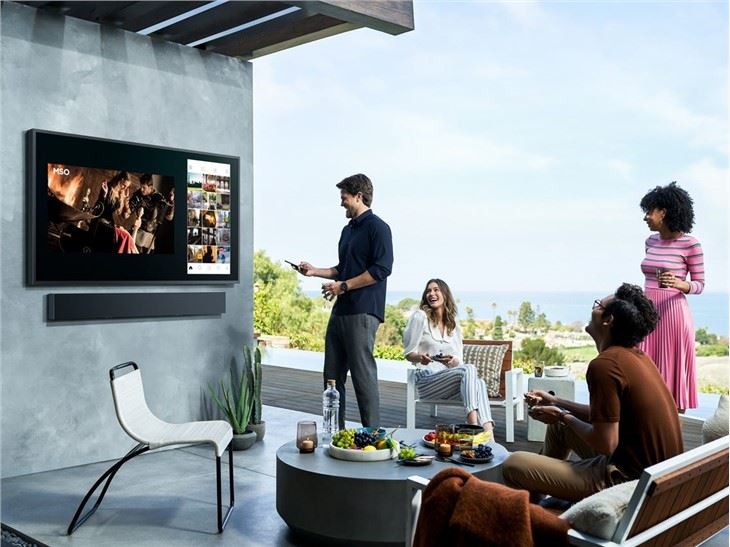
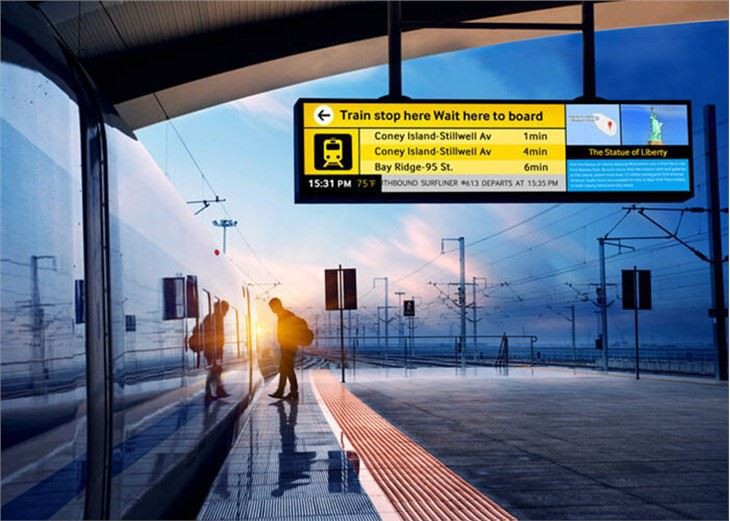
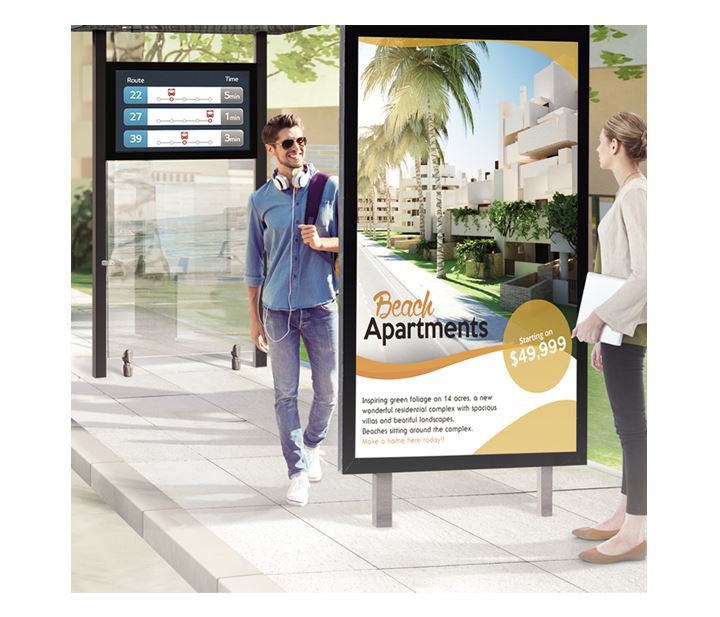
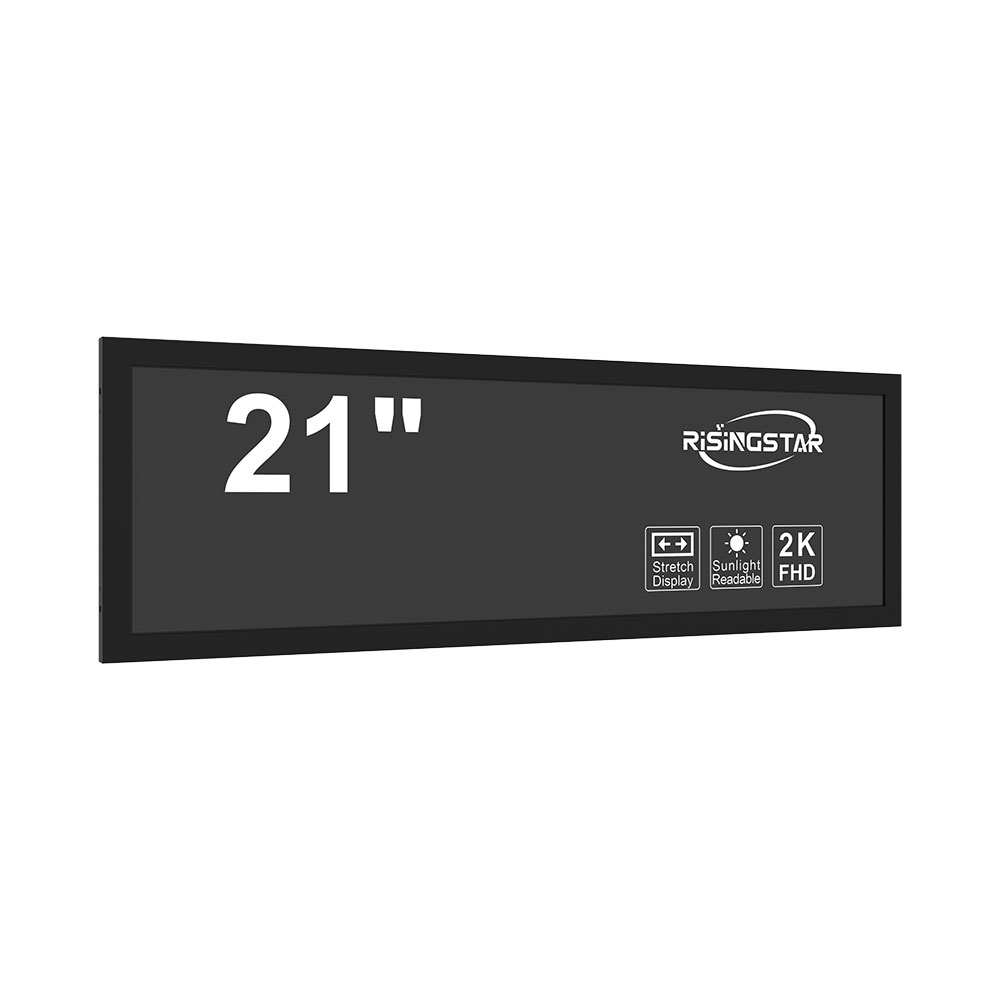
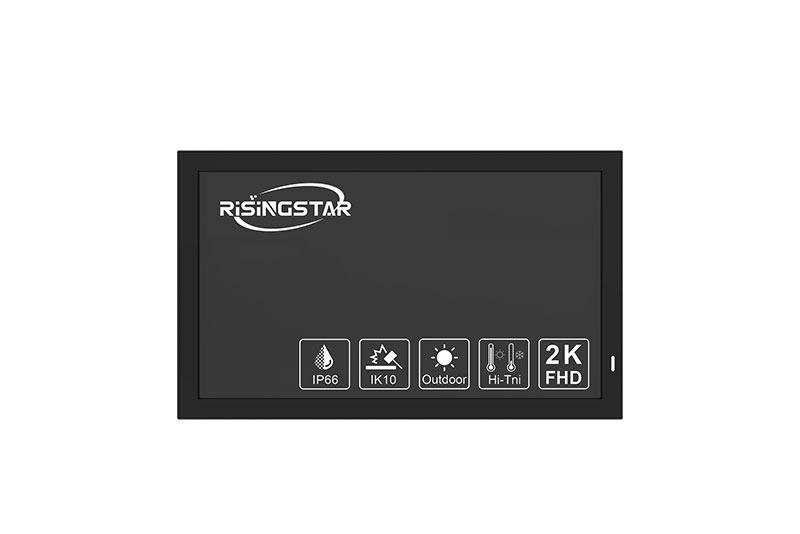
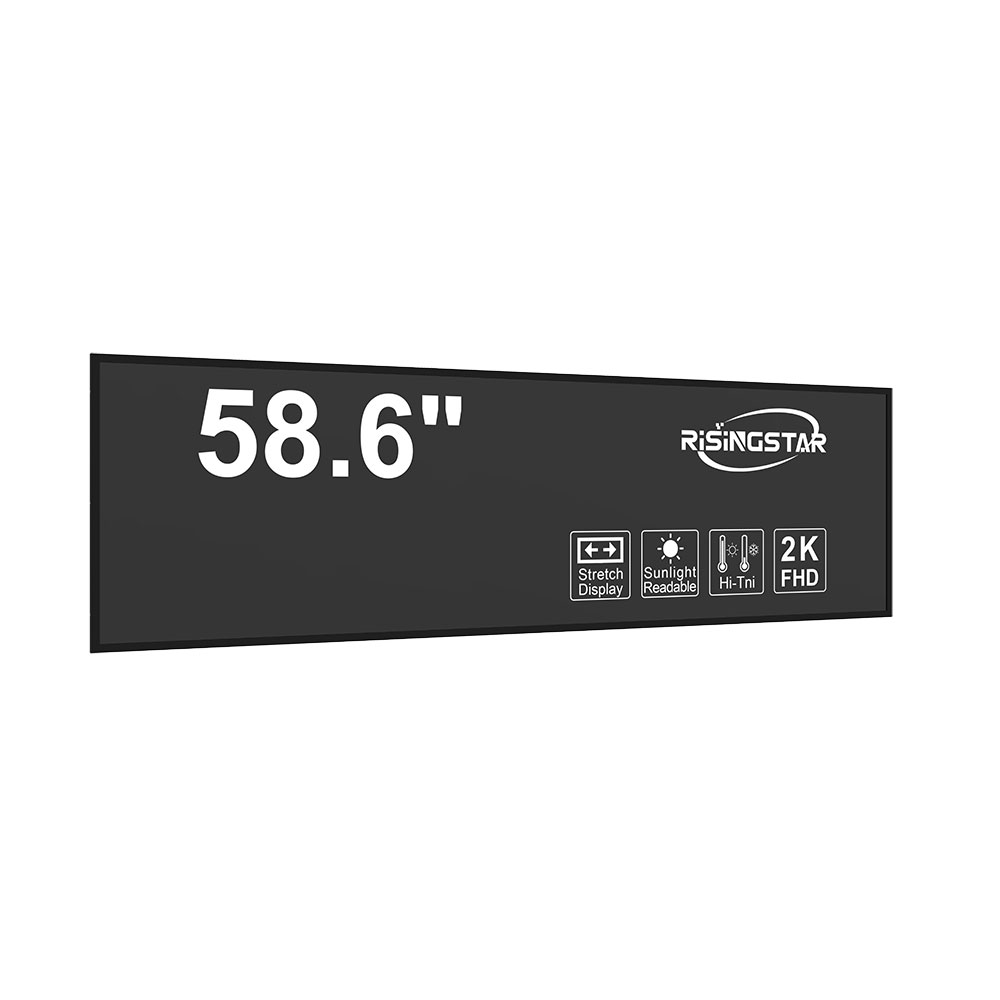
High-brightness sunlight-readable LCD screens are critical components in modern outdoor and industrial applications where visibility under direct sunlight is non-negotiable. These displays are engineered to maintain clarity, contrast, and responsiveness even in extreme lighting conditions—ranging from bright desert sun to overcast urban environments. As demand grows across sectors like military, transportation, agriculture, and construction, manufacturers must integrate advanced technologies such as high-luminance LED backlighting, anti-glare coatings, and adaptive brightness control.
One of the key innovations in this field is the use of 5,000–10,000 nits of luminance—far exceeding standard consumer-grade displays that typically max out at 500–1,000 nits. According to a 2023 report by MarketsandMarkets, the global market for high-brightness displays is projected to exceed $12 billion by 2028, driven by increasing adoption in ruggedized handheld devices, automotive dashboards, and remote monitoring systems. This surge stems from both regulatory demands (e.g., ISO 9241-31 for visual ergonomics) and real-world operational needs in mission-critical settings.
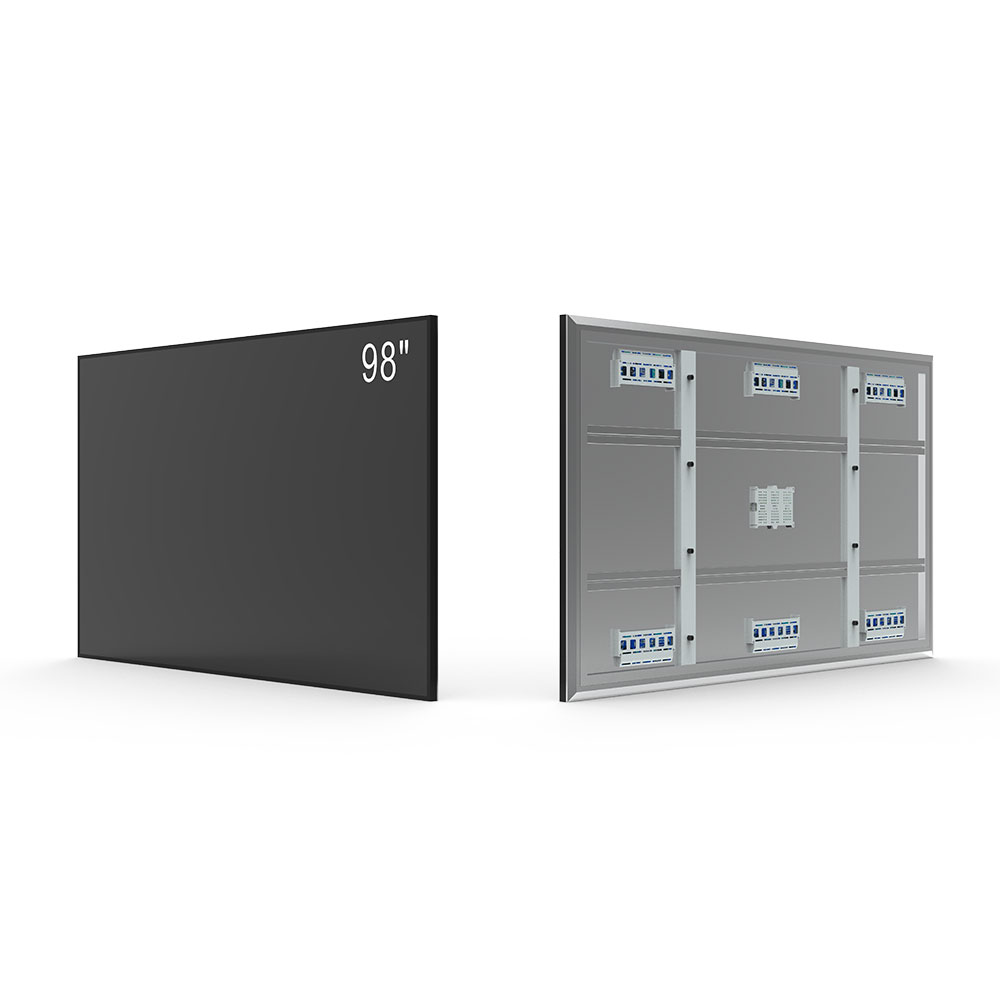
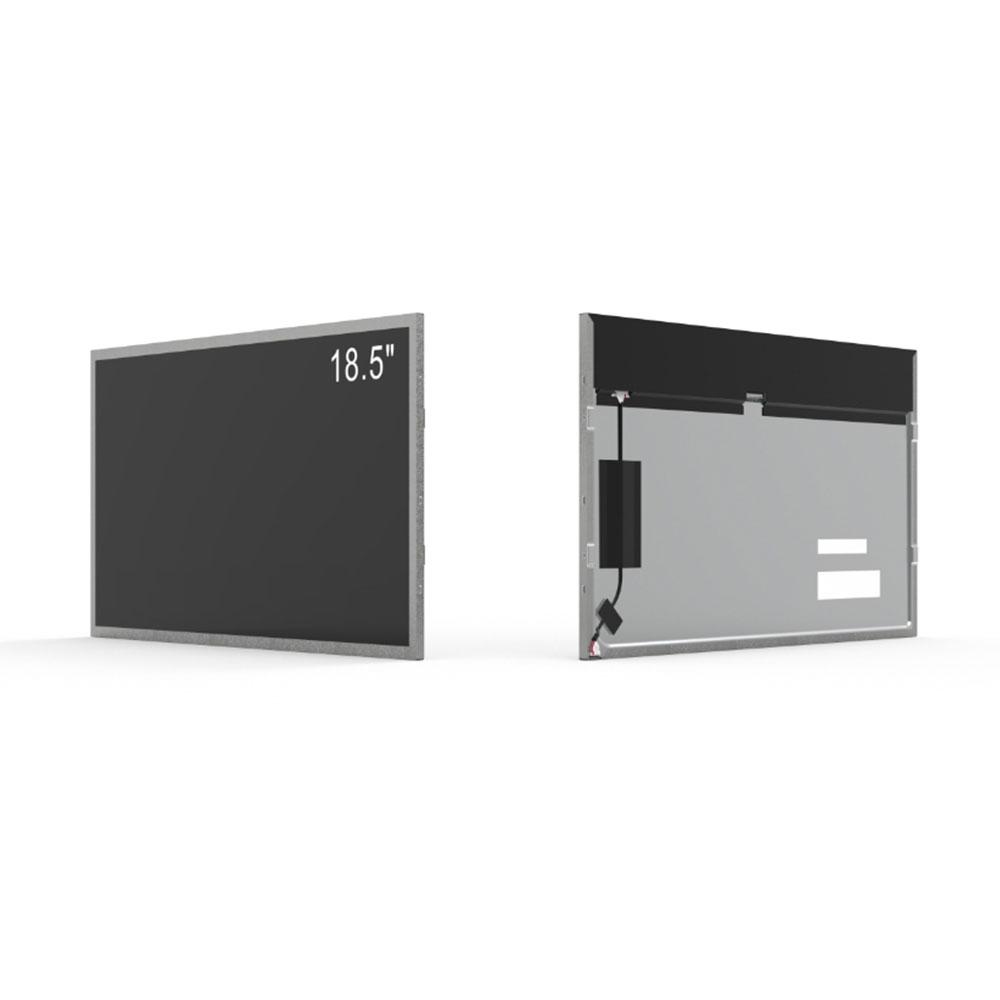
The design of these screens involves multiple layers: a polarized glass substrate, a liquid crystal layer, a high-efficiency LED backlight array, and a protective outer film with anti-reflection (AR) and anti-scratch properties. For instance, some military-grade models use an active matrix OLED (AMOLED) structure paired with a wide color gamut (DCI-P3 or sRGB) to ensure accurate image reproduction under varying ambient light levels. Additionally, temperature-compensated circuitry ensures stable performance between -30°C and +70°C—a requirement for vehicles operating in Arctic or tropical regions.
Case studies from leading OEMs like Panasonic and Crystalfontz illustrate how these screens enable real-time data access in harsh conditions. In one project involving solar farm monitoring, a 10,000-nit display was integrated into a weatherproof tablet used by technicians working in full sun. The screen maintained readability without requiring manual brightness adjustments—an essential feature for hands-free operation during maintenance tasks. Another example comes from the aviation industry, where flight deck instruments now rely on high-brightness LCDs certified to MIL-STD-810G for shock and vibration resistance.
From a technical standpoint, the integration of automatic ambient light sensors (ALS) allows dynamic adjustment of brightness based on environmental light levels. This not only improves user experience but also extends battery life in portable devices—an increasingly important factor in mobile and IoT deployments. Moreover, compliance with international standards such as EN 60068-2-6 (vibration testing), IEC 60529 (IP65/67 dust/water protection), and RoHS ensures product safety and sustainability.
In conclusion, high-brightness sunlight-readable LCD screens represent a convergence of materials science, optical engineering, and system-level integration. Their deployment in demanding environments underscores their value beyond mere visibility—they are enablers of productivity, safety, and operational resilience. As technology advances, future developments may include quantum dot-enhanced backlights, flexible substrates, and AI-driven contrast optimization, further pushing the boundaries of what is possible in outdoor display solutions.