RisingStar
- Home
- About Us
- Products
- News
- Video
- Contact
- Send Inquiry
Search
- Home
- About Us
- Products
- News
- Video
- Contact
- Send Inquiry
RisingStar
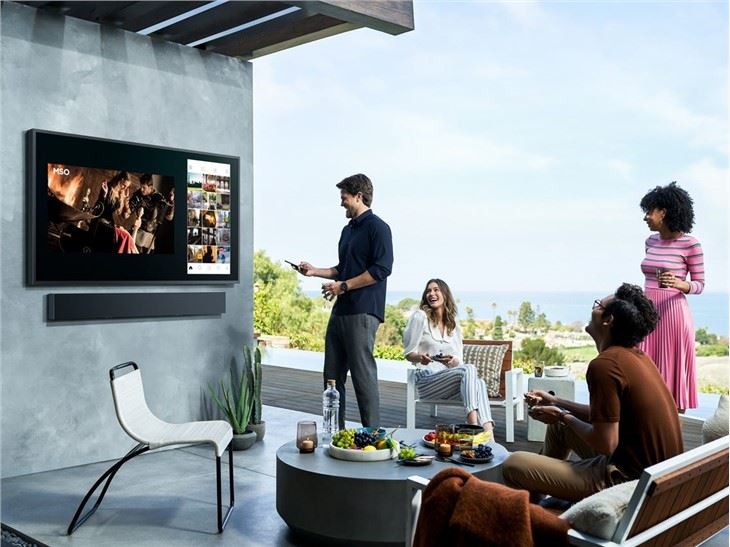
High-brightness sunlight-readable LCD screens are essential for ensuring visibility and operational reliability in outdoor and high-glare environments such as military vehicles, industrial control panels, construction equipment, and transportation systems. Unlike standard LCDs that degrade significantly under direct sunlight, these specialized displays maintain clarity even at 5,000 to 10,000 nits of brightness—up to 20 times brighter than typical indoor monitors. This enhanced luminance is achieved through a combination of advanced backlighting technologies (such as LED arrays with high-efficiency phosphors), optimized polarizer films, anti-reflective coatings, and intelligent brightness control algorithms that dynamically adjust based on ambient light conditions.
Manufacturers like LG Display, Sharp, and Samsung have pioneered the development of these displays using IPS (In-Plane Switching) or VA (Vertical Alignment) panel technologies, which offer wider viewing angles and better color consistency compared to older TN (Twisted Nematic) panels. For example, the U.S. Department of Defense has standardized on 7,000-nit LCDs for use in armored vehicles and unmanned ground systems, where readability during combat operations is mission-critical. According to a 2023 report by Market Research Future, the global market for high-brightness LCDs exceeded $4.2 billion in 2022 and is projected to grow at a CAGR of 6.8% through 2030, driven by increasing demand from aerospace, defense, and automotive sectors.
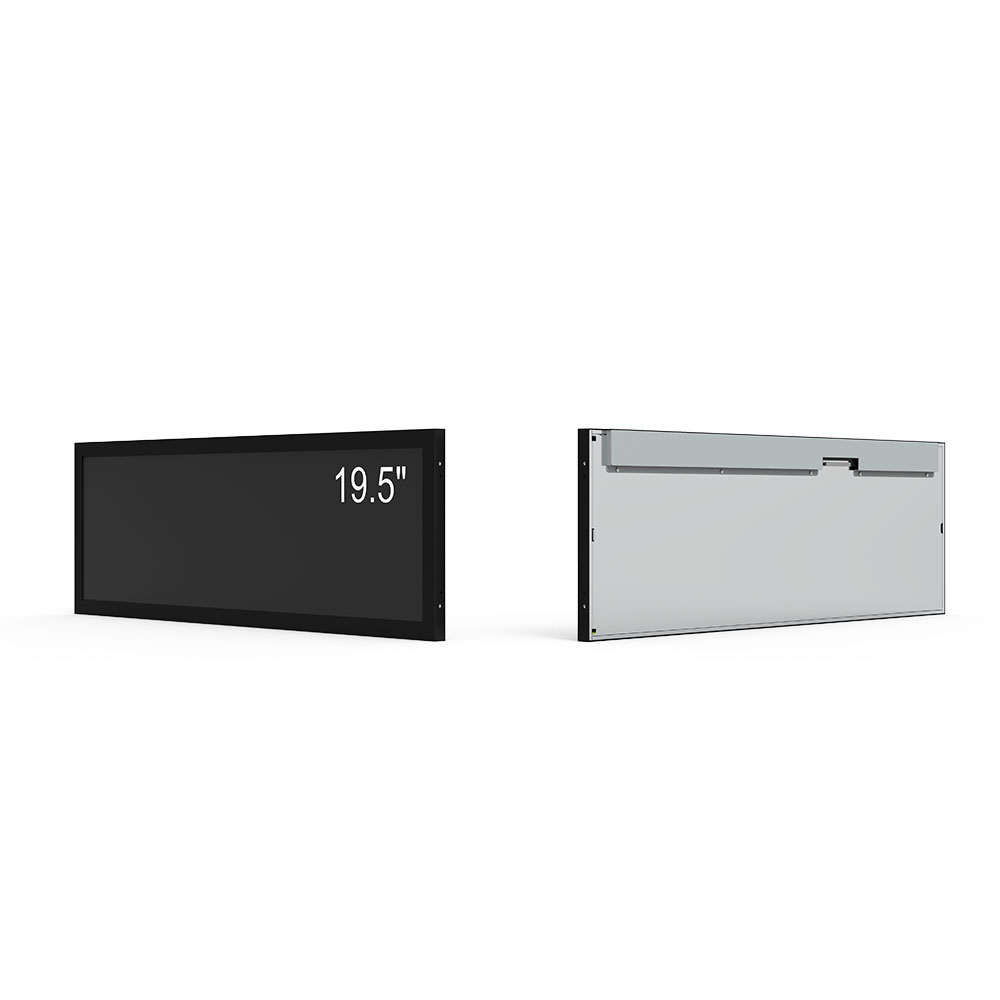
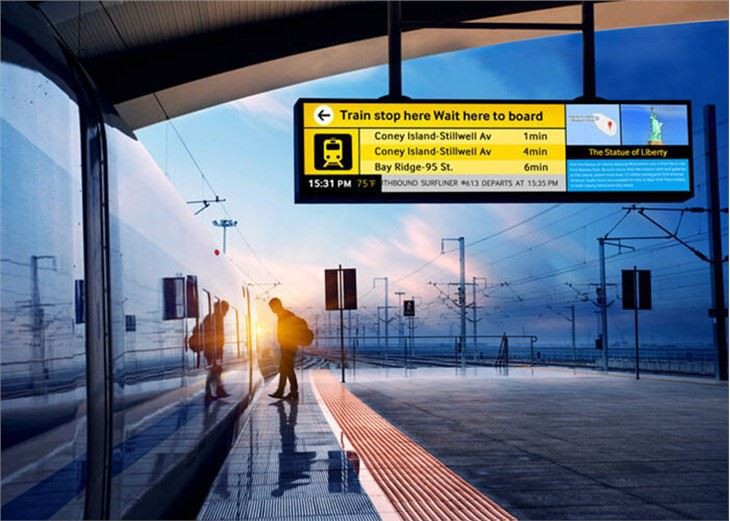
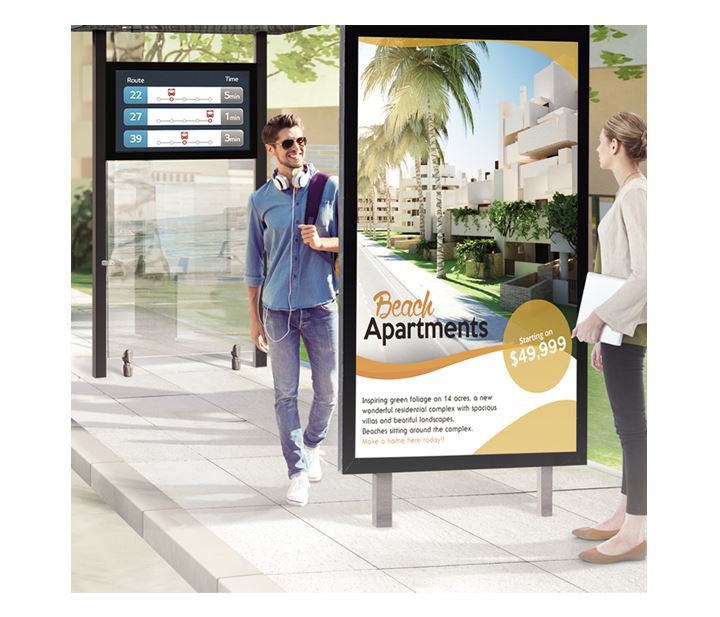
Case studies show that integrating sunlight-readable LCDs into agricultural machinery reduces operator fatigue and increases productivity. In one field test conducted by John Deere in 2022, tractors equipped with 8,000-nit displays saw a 22% improvement in task accuracy compared to units with standard displays. Similarly, public transit operators in cities like Dubai and Singapore have adopted these screens in bus information kiosks and ticketing systems to ensure clear visibility in desert and tropical climates. The International Electrotechnical Commission (IEC) standards IEC 60068-2-1 and IEC 60068-2-14 define environmental testing protocols for durability, including temperature cycling, humidity resistance, and shock/vibration tolerance—all critical for outdoor deployment.
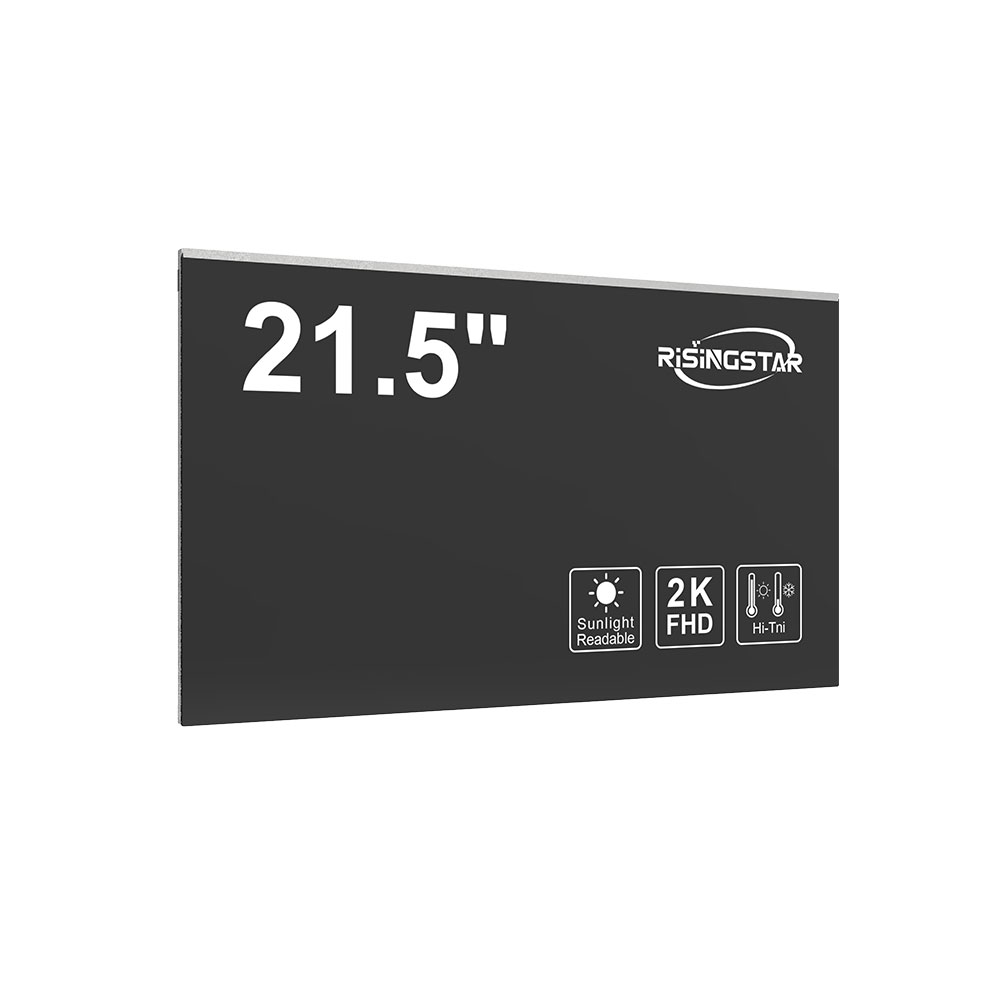
From an engineering perspective, achieving sunlight readability involves trade-offs between power consumption, heat dissipation, and longevity. Modern designs often incorporate passive cooling solutions and low-power OLED variants alongside traditional LCDs to balance performance and efficiency. These screens are also increasingly integrated with touch functionality, using infrared or surface acoustic wave (SAW) technology to support glove use in cold climates or dirty environments. As renewable energy systems and smart infrastructure expand globally, the need for robust, readable displays in uncontrolled lighting conditions will continue to drive innovation in this sector.