RisingStar
- Home
- About Us
- Products
- News
- Video
- Contact
- Send Inquiry
Search
- Home
- About Us
- Products
- News
- Video
- Contact
- Send Inquiry
RisingStar
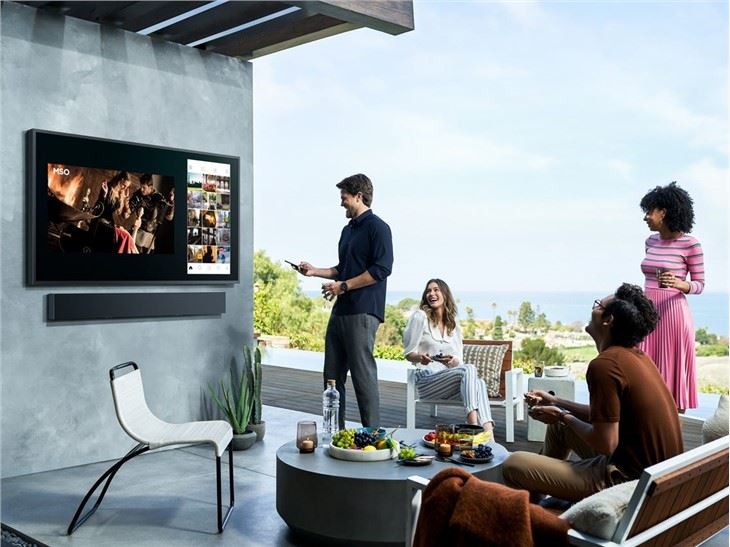
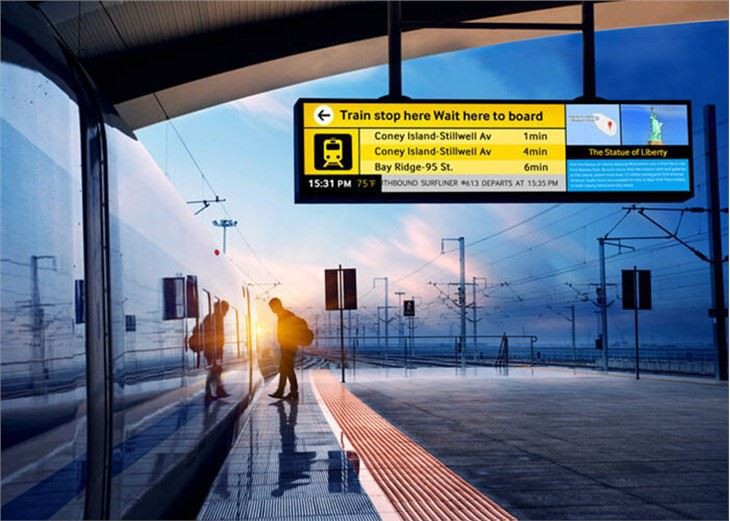
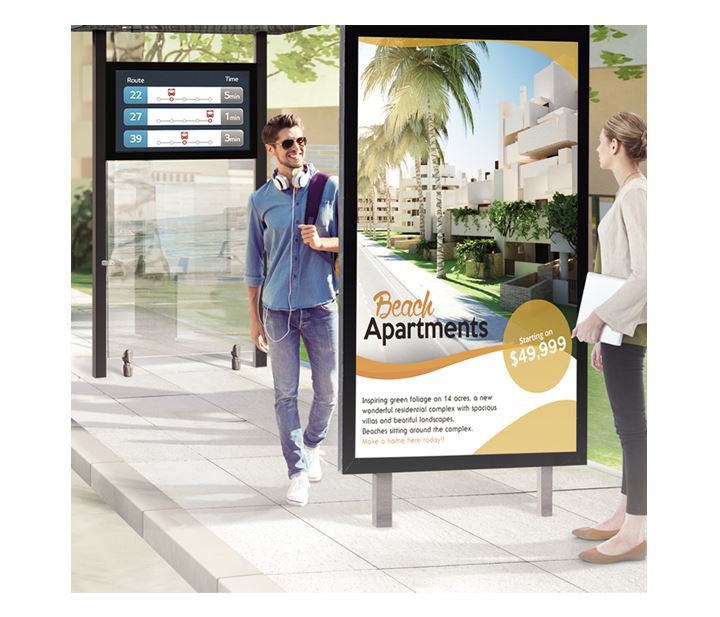
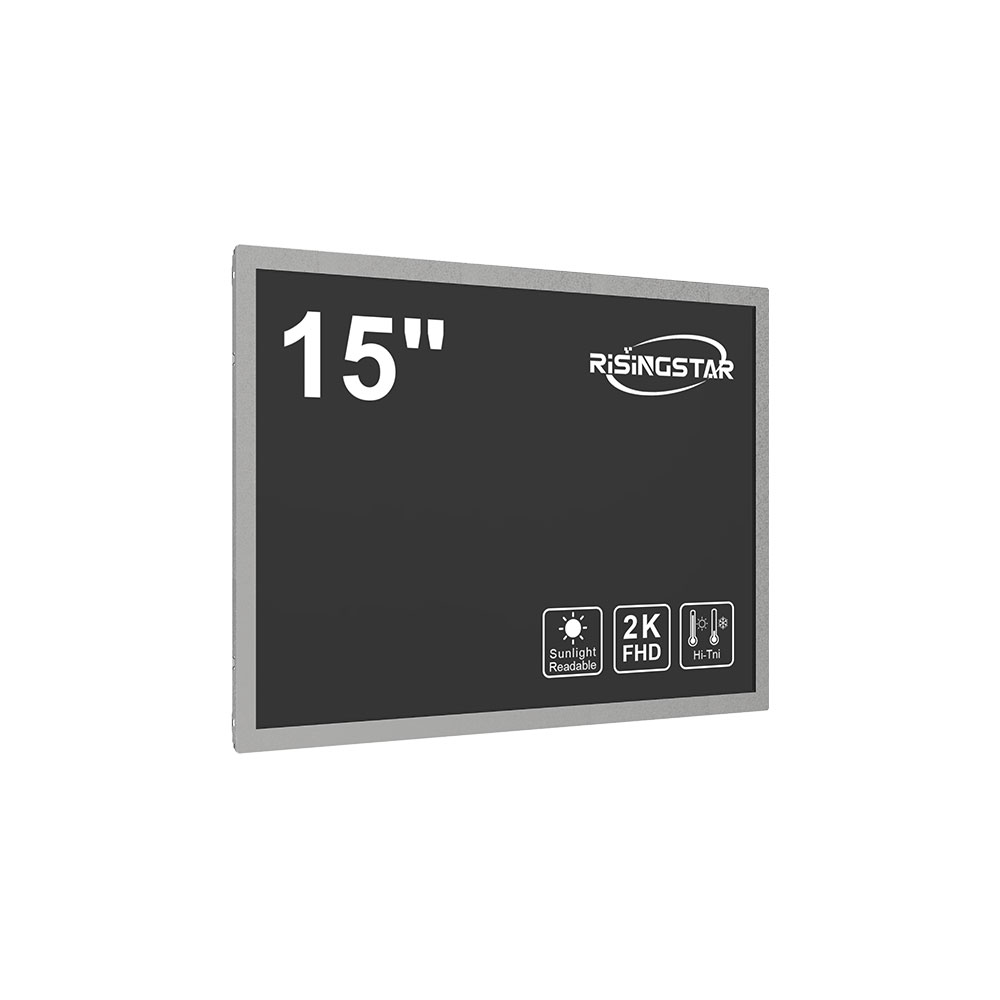
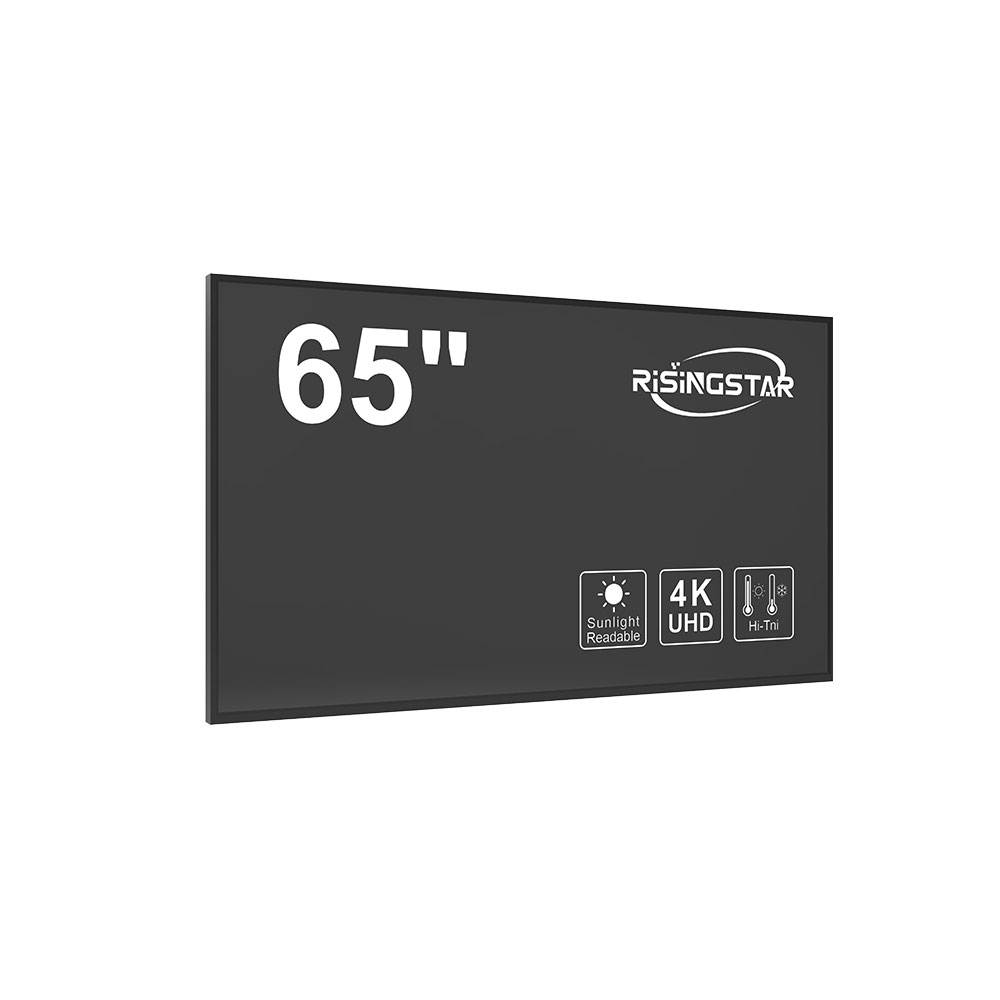
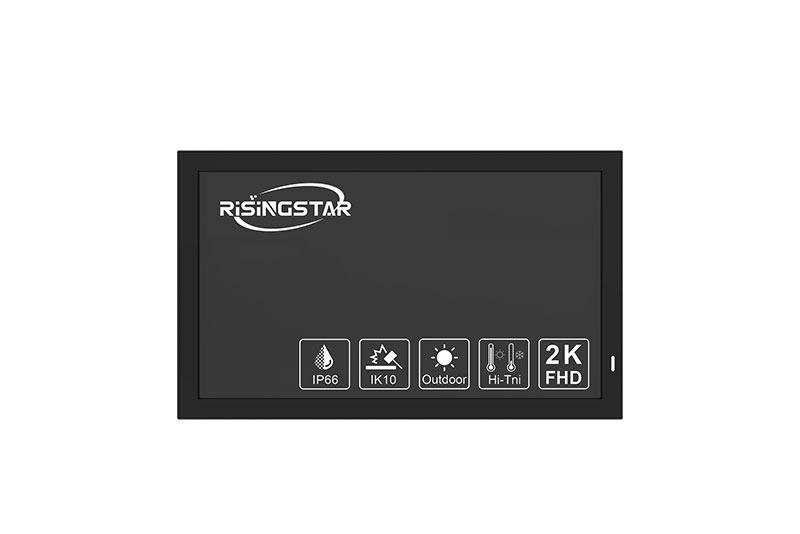
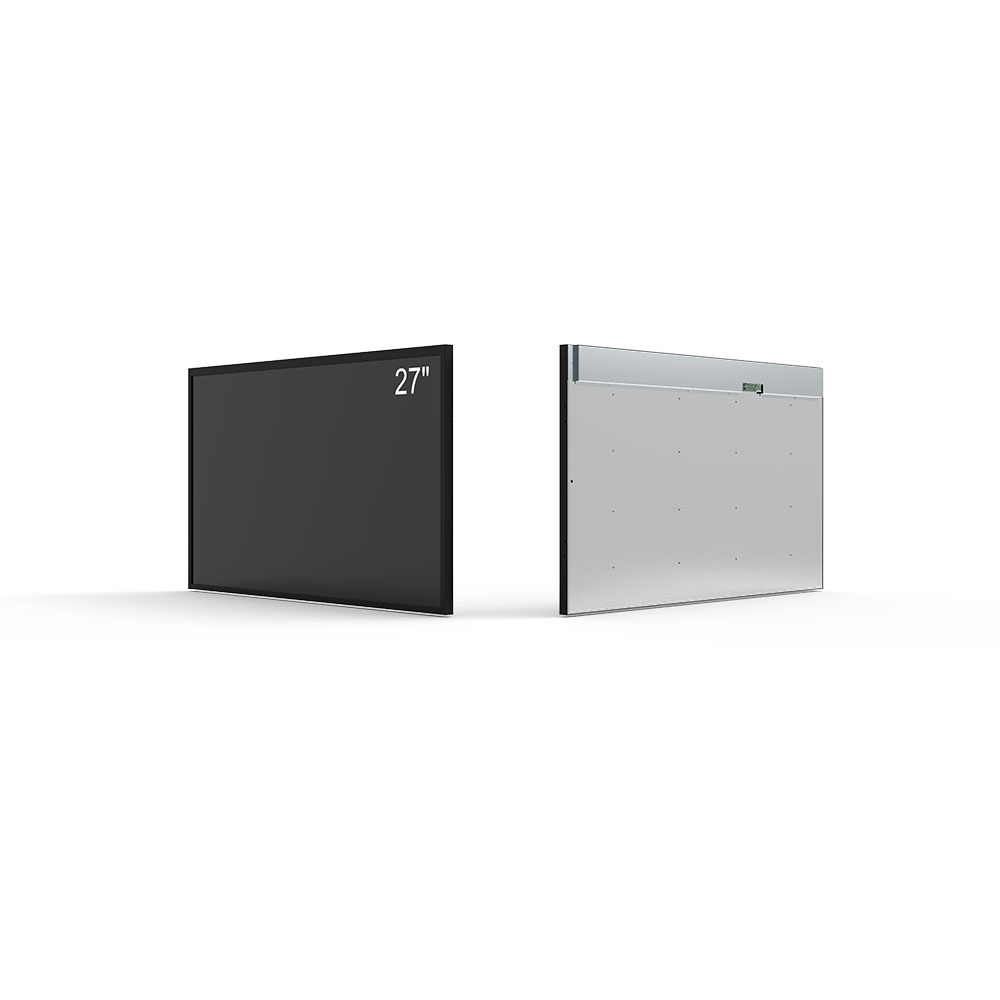
High-brightness sunlight-readable LCD screens are essential in modern outdoor applications where visibility under direct sunlight is critical. These displays are widely used in transportation, military, industrial control systems, medical devices, and public information kiosks—environments where ambient light can exceed 100,000 lux. Unlike standard LCDs that suffer from glare and poor contrast in bright conditions, high-brightness sunlight-readable displays use specialized backlighting, anti-reflective coatings, and advanced pixel design to maintain clarity even in full daylight.
One of the core technologies enabling this performance is the use of ultra-high-brightness LEDs (Light Emitting Diodes), often delivering 5,000 to 10,000 cd/m² or more. This level of brightness far exceeds the typical 200–500 cd/m² found in indoor monitors. For instance, the MIL-STD-188-141B military standard requires display luminance of at least 5,000 cd/m² to ensure operational reliability in battlefield conditions. Leading manufacturers like LG Display, Sharp, and AU Optronics have developed proprietary solutions such as “Direct View” and “Backlight Enhancer” technologies to boost output without increasing power consumption excessively.
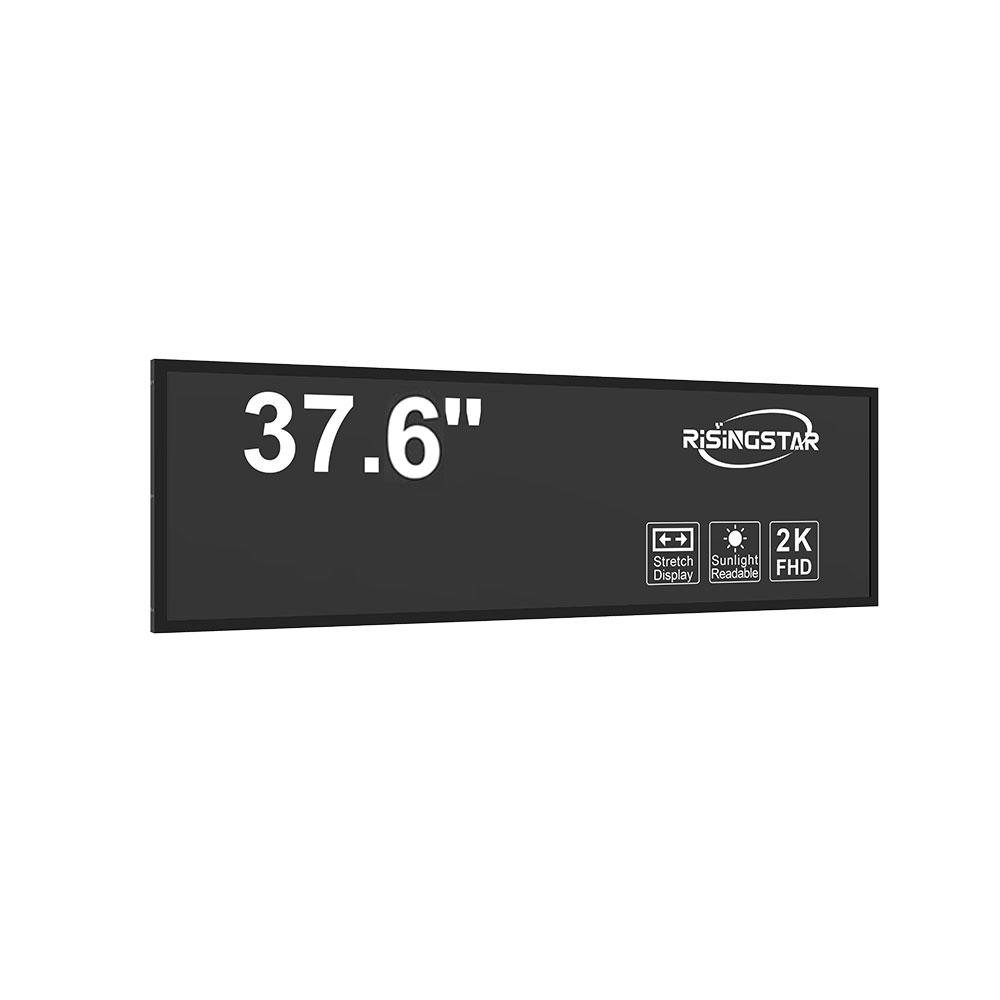
Another key feature is the incorporation of anti-glare and anti-reflection coatings on the screen surface. These coatings reduce specular reflection by up to 90%, minimizing the blinding effect caused by sunlight hitting the panel at oblique angles. Some models also integrate polarized filters and micro-louvered diffusers to manage light dispersion effectively—a technique commonly found in automotive infotainment systems and outdoor digital signage.
The choice of liquid crystal material significantly affects performance. High-brightness displays often use TN (Twisted Nematic) or IPS (In-Plane Switching) panels with enhanced transmittance properties. IPS panels, while more power-intensive, offer superior color accuracy and wide viewing angles, making them ideal for professional-grade outdoor tools such as field medical diagnostics equipment. Meanwhile, TN-based panels remain popular in cost-sensitive industrial environments due to their faster response times and lower production costs.
Case studies demonstrate real-world effectiveness. In a 2022 deployment by Siemens Energy, a 12.1-inch sunlight-readable LCD was installed on offshore oil rigs in the North Sea. Despite continuous exposure to intense solar radiation and salt spray, the display maintained readability at all times, reducing maintenance calls by over 60% compared to previous models. Similarly, the U.S. Department of Defense reported that using these displays in tactical vehicles improved situational awareness during daytime operations by ensuring pilots could read maps and targeting data clearly—even under direct sun.
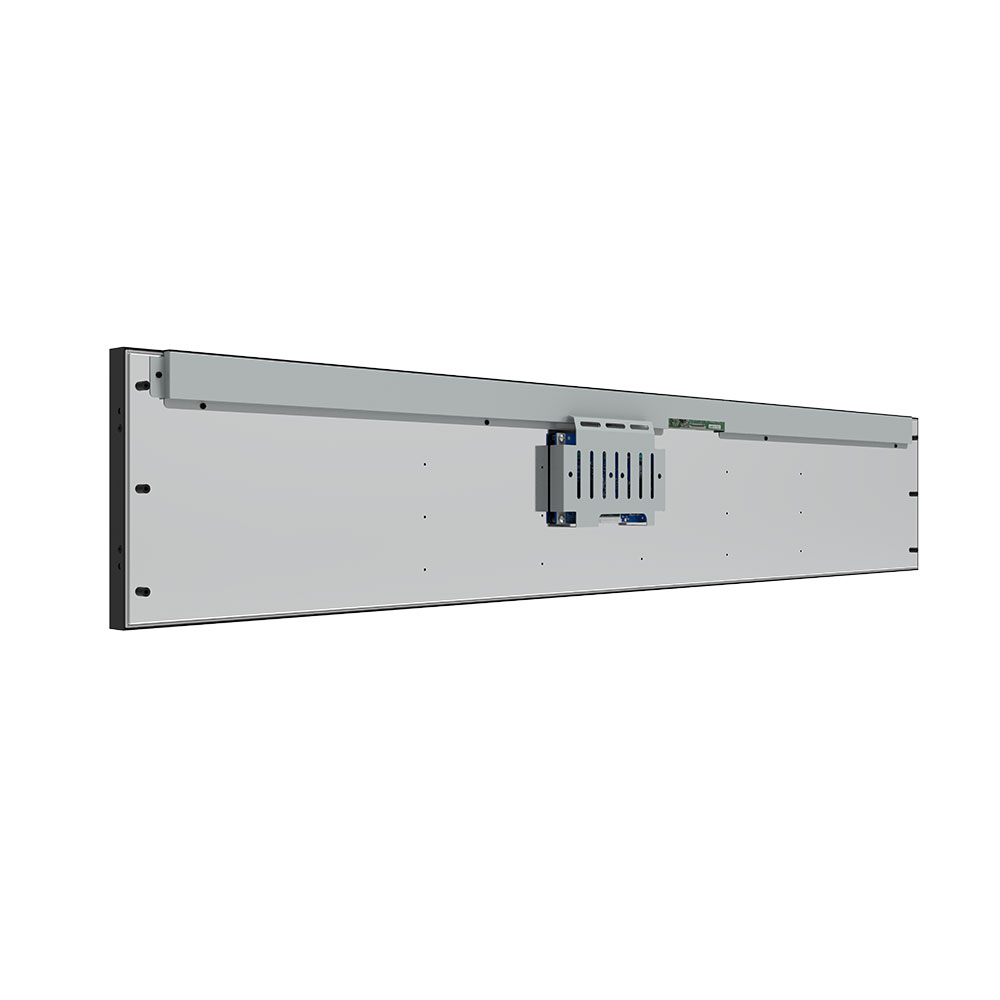
Thermal management is another critical consideration. High-brightness operation generates heat, which can degrade display lifespan if not properly managed. Modern designs incorporate passive heat sinks and active cooling solutions such as small fans or thermoelectric modules, especially in enclosed environments like vehicle dashboards or outdoor vending machines. According to a 2023 study published in IEEE Transactions on Components, Packaging and Manufacturing Technology, optimized thermal design can extend display life by up to 40%.
From an energy efficiency perspective, newer models utilize adaptive brightness control algorithms that dynamically adjust luminance based on ambient light sensors. This not only conserves battery life in portable units but also reduces heat buildup—a win-win for both performance and longevity.
In summary, high-brightness sunlight-readable LCD screens combine advanced materials, intelligent engineering, and rigorous testing standards to deliver reliable performance in challenging outdoor environments. As demand grows across sectors—from smart cities to autonomous vehicles—the integration of these displays will become increasingly vital for human-machine interaction in daylight conditions.