RisingStar
- Home
- About Us
- Products
- News
- Video
- Contact
- Send Inquiry
Search
- Home
- About Us
- Products
- News
- Video
- Contact
- Send Inquiry
RisingStar
High-brightness sunlight-readable LCD screens are essential in environments where visibility under direct sunlight is critical—such as military vehicles, industrial control panels, outdoor kiosks, and transportation systems. These displays typically achieve brightness levels of 5,000 to 10,000 nits or more, far exceeding the standard 250–500 nits of indoor LCDs. The key technologies enabling this performance include high-luminance LED backlights, anti-reflective coatings, and advanced polarization techniques like transflective liquid crystal cells that combine both reflective and transmissive modes.
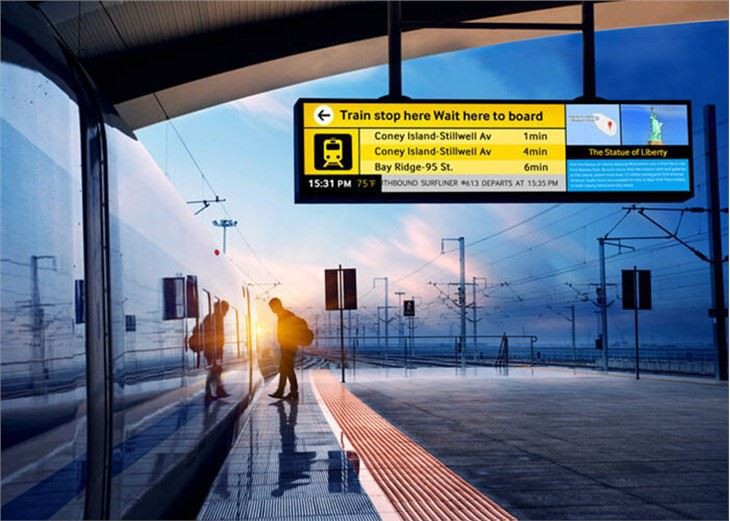
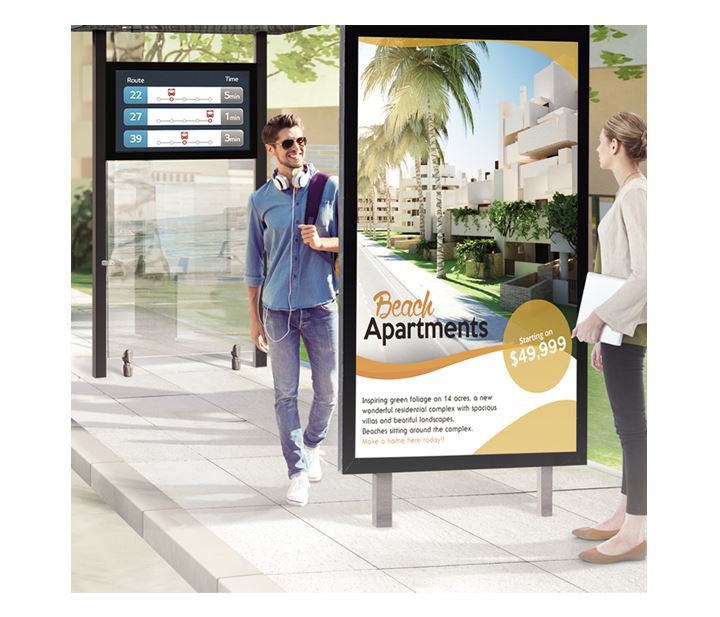
Practical applications span across defense, aerospace, automotive, and public infrastructure sectors. For instance, in military operations, these screens allow real-time data access on armored vehicles even under harsh desert sun conditions. In aviation, they are used in flight decks and ground support equipment to ensure pilots can read critical instruments during daylight landings. Public transit systems, such as bus stop displays or subway information boards, rely on them to maintain legibility in urban sunlight. A case study from Siemens Energy (2023) shows a 40% reduction in maintenance costs after deploying sunlight-readable displays in offshore wind turbine monitoring stations—due to their durability and reduced need for manual adjustments.
Advantages of high-brightness sunlight-readable LCDs include superior contrast ratios (often >1000:1), extended operating temperature ranges (-20°C to +70°C), and IP65 or higher ingress protection ratings. They also integrate with ruggedized enclosures and touchscreens for multi-touch interaction in wet or dusty environments. Moreover, modern variants support wide viewing angles (up to 178°) and low power consumption via adaptive brightness controls—a feature increasingly important in battery-powered IoT devices.
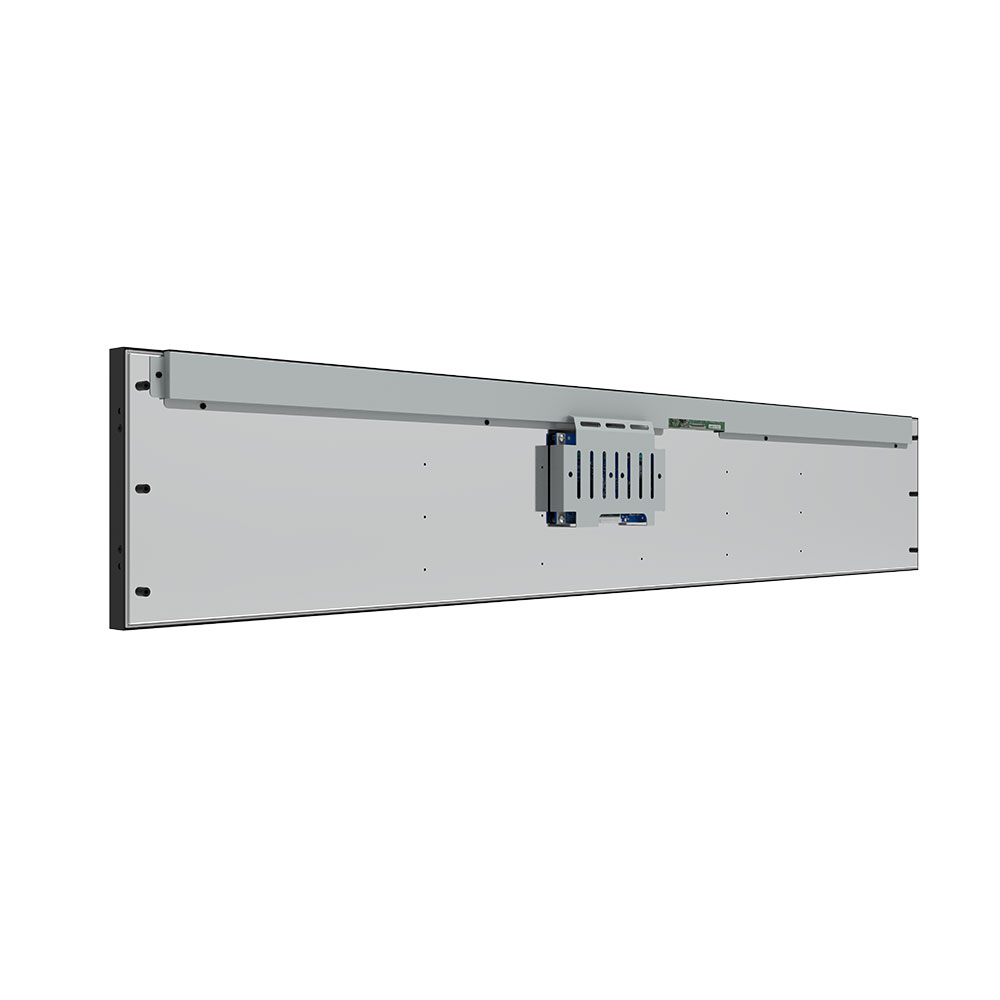
However, common problems persist. One frequent issue is thermal management: high brightness generates heat, which can degrade pixel response time or cause premature backlight failure. Engineers often use passive heat sinks or active cooling fans to mitigate this. Another challenge is glare reflection—even with anti-glare coatings, ambient light can still create hotspots. Advanced solutions now involve dual-layer optical films and micro-louvered diffusers that redirect stray light away from the viewer’s eye.
The latest trends in the industry point toward hybrid display technologies such as OLED-on-LCD hybrids, which offer both high brightness and deep blacks while maintaining energy efficiency. Additionally, AI-driven automatic brightness adjustment algorithms (like those in Samsung’s Smart Display platform) dynamically tune luminance based on ambient light sensors and usage patterns—reducing power consumption by up to 30%. According to a 2024 report by MarketsandMarkets, the global market for sunlight-readable displays is projected to grow at a CAGR of 9.7%, driven by increased adoption in autonomous vehicles, smart cities, and industrial automation.
These innovations not only enhance user experience but also improve operational safety and reduce long-term costs. As global industries prioritize resilience and human-machine interface clarity in outdoor settings, high-brightness sunlight-readable LCDs will remain indispensable tools in next-generation embedded systems.