 RisingStar
- Home
- About Us
- Products
- News
- Video
- Contact
- Send Inquiry
Search
- Home
- About Us
- Products
- News
- Video
- Contact
- Send Inquiry
RisingStar
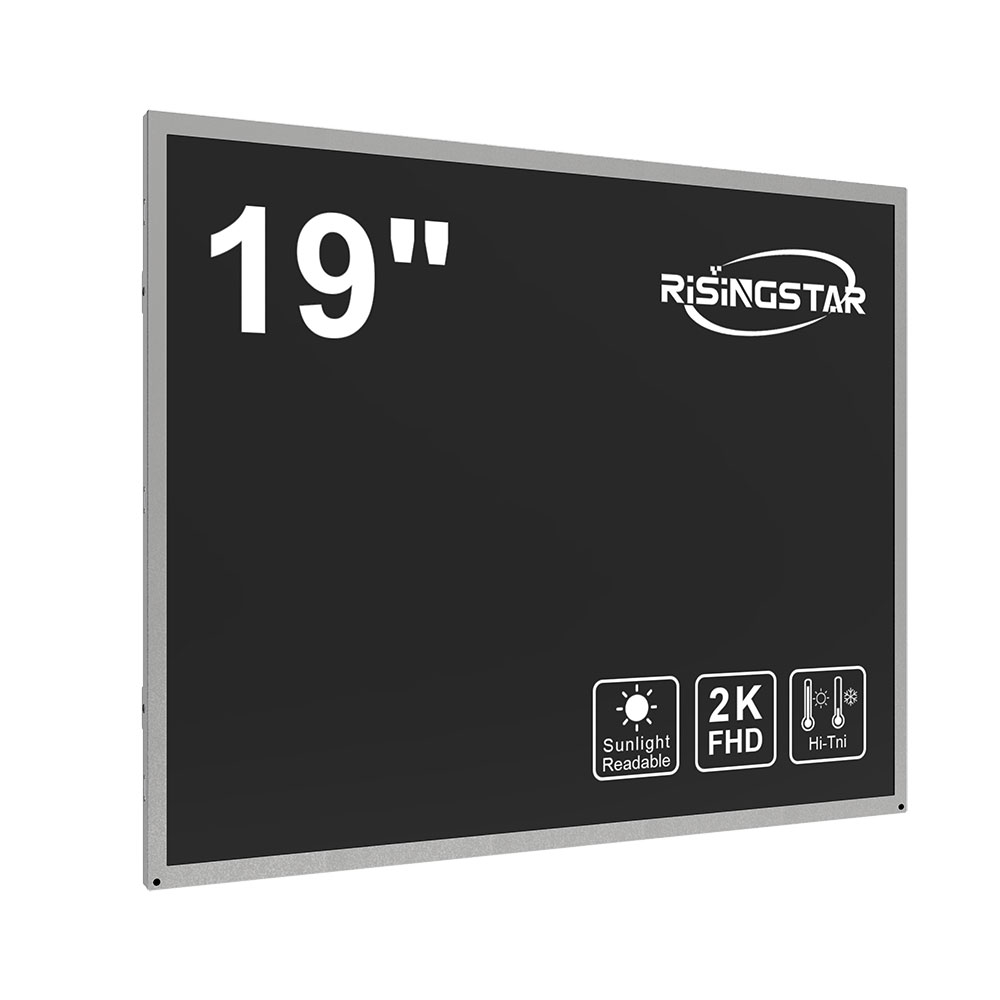
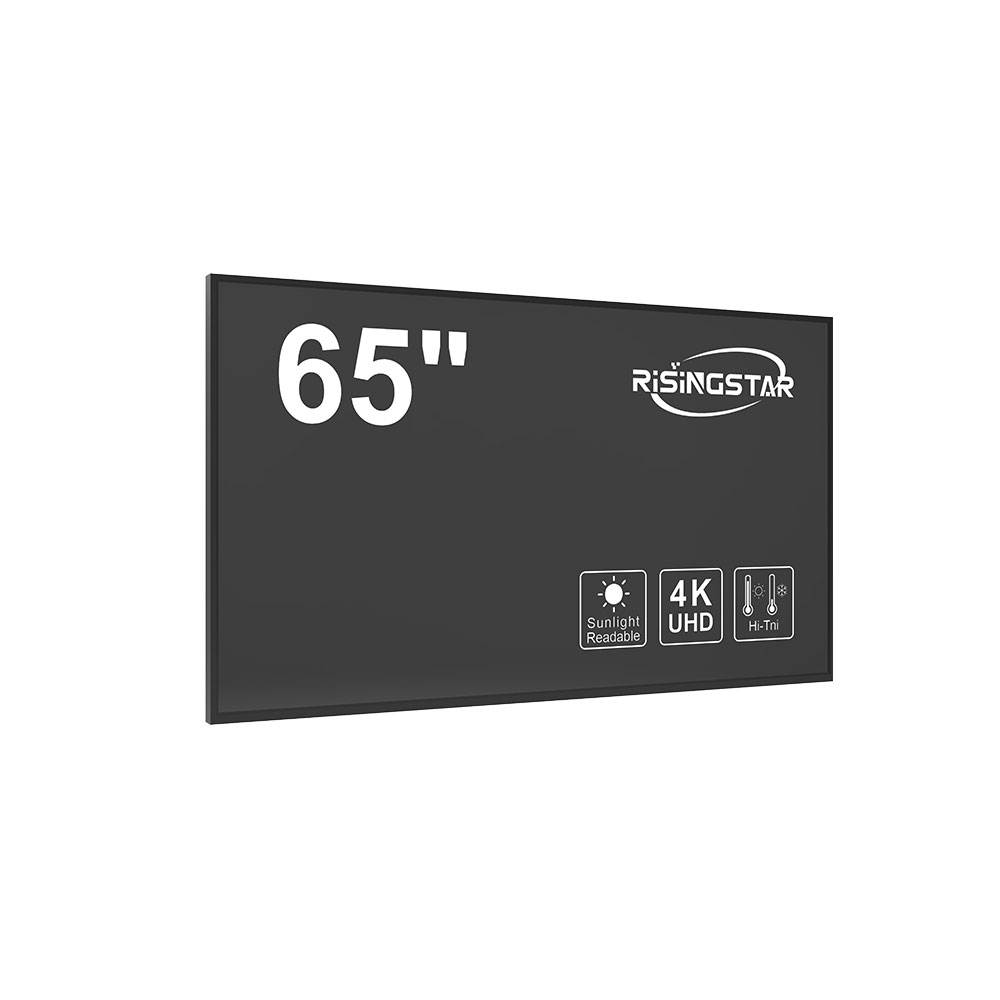
High-brightness sunlight-readable LCD screens have become indispensable in modern outdoor environments where visibility under direct sunlight is critical. These displays are engineered to maintain clarity, contrast, and color accuracy even when exposed to extreme lighting conditions—such as bright midday sun or harsh reflections from reflective surfaces like metal or glass. Unlike standard LCDs, which often appear washed out or invisible under sunlight, high-brightness sunlight-readable displays use advanced backlighting, anti-reflective coatings, and optimized pixel design to ensure consistent performance across diverse environments.
The core innovation lies in achieving luminance levels of at least 5,000 nits (cd/m²), with some industrial-grade models exceeding 10,000 nits. This brightness level ensures that the display remains readable without requiring users to adjust their viewing angle or manually increase brightness settings—an essential feature for military, transportation, construction, and utility field operations. According to a 2023 report by MarketsandMarkets, the global market for high-brightness displays is projected to grow at a CAGR of 7.2% through 2028, driven by increasing demand in smart cities, IoT devices, and automotive infotainment systems.
Manufacturers employ several technologies to enhance sunlight readability. One key method is the use of transflective liquid crystal layers, which combine transmission (for indoor use) and reflection (for outdoor use) modes. This dual-mode approach reduces power consumption while maintaining brightness. Additionally, optical bonding—a process where the cover glass is bonded directly to the display panel using transparent adhesive—eliminates air gaps that cause internal reflections. As confirmed by a case study from LG Display in 2022, optical bonding can improve contrast ratios by up to 40% and reduce glare by over 60%, making it ideal for solar-exposed applications.
Another crucial factor is the integration of ambient light sensors (ALS). These sensors dynamically adjust screen brightness based on real-time lighting conditions, optimizing both energy efficiency and user comfort. For example, a military vehicle’s onboard display may automatically dim during nighttime driving but boost brightness during daytime reconnaissance missions—ensuring operational safety without manual intervention. This adaptive technology aligns with ISO 9241-31 standards for human-centered design, emphasizing usability in variable environments.
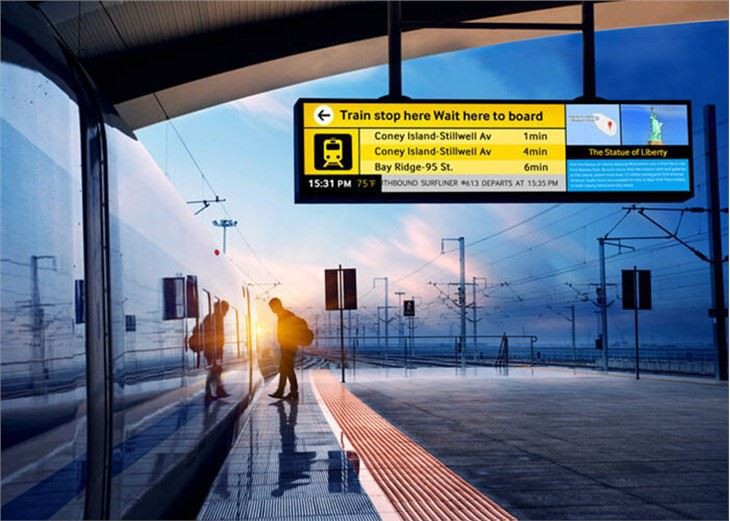
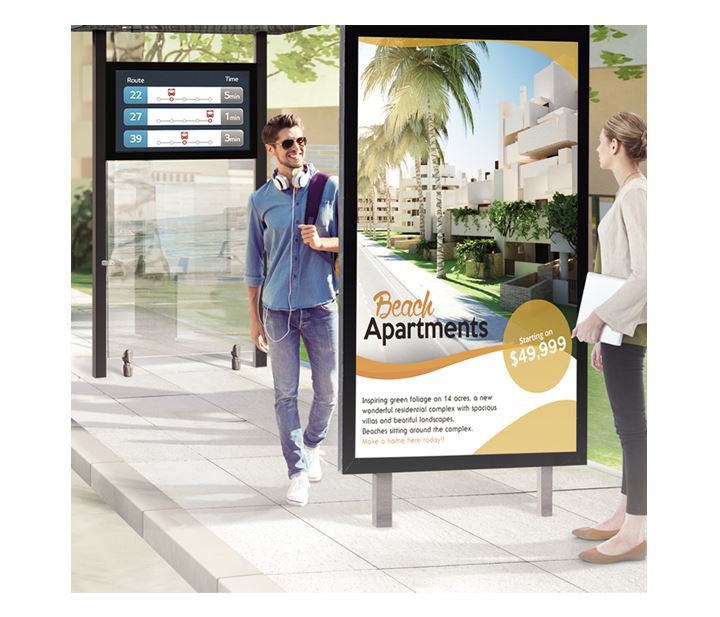
In the automotive sector, companies like Bosch and Continental have integrated sunlight-readable LCDs into dashboards and head-up displays (HUDs), enabling drivers to access navigation and vehicle data safely. In public transit, such as buses and trains, these screens provide real-time updates in outdoor terminals, reducing information fatigue for passengers. Furthermore, in agriculture and construction, ruggedized tablets with high-brightness displays allow field workers to monitor GPS coordinates, equipment diagnostics, and weather data without relying on shaded areas or artificial lighting.
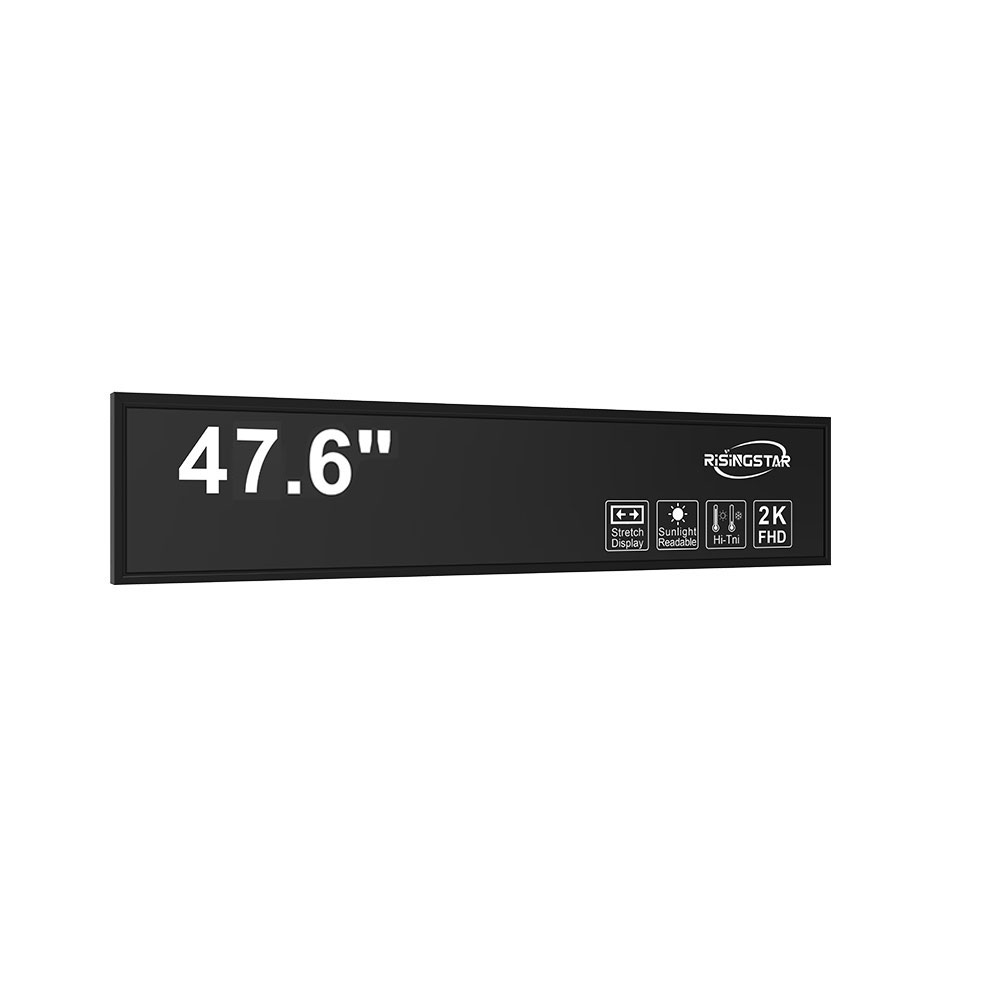
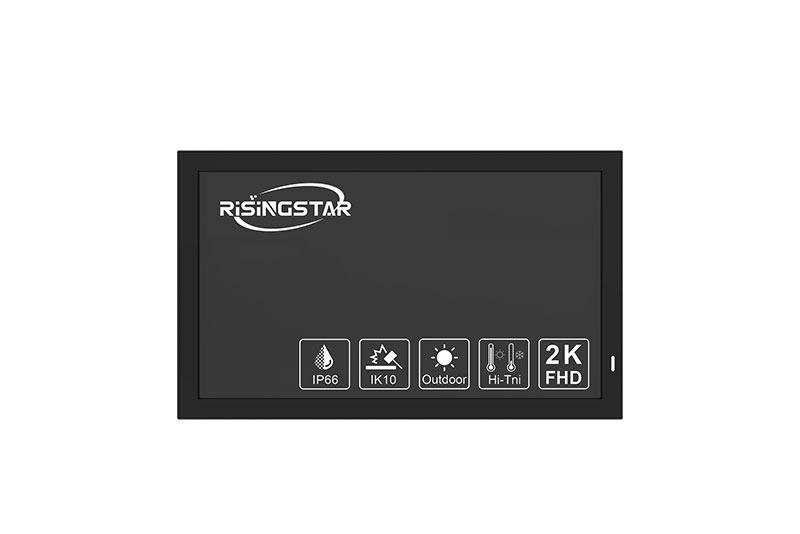
From a materials perspective, manufacturers now utilize Gorilla Glass and similar scratch-resistant coatings to withstand environmental stressors such as dust, moisture, and physical impact. The latest generation of displays also supports wide temperature ranges—from -30°C to +70°C—making them suitable for arctic research stations or desert-based solar farms.
Ultimately, the success of high-brightness sunlight-readable LCDs hinges not just on raw brightness but on a holistic system design that includes efficient power management, durability, and intelligent adaptation to ambient conditions. As industries continue to digitize outdoor operations, these displays will remain foundational to enhancing productivity, safety, and user experience across global markets.